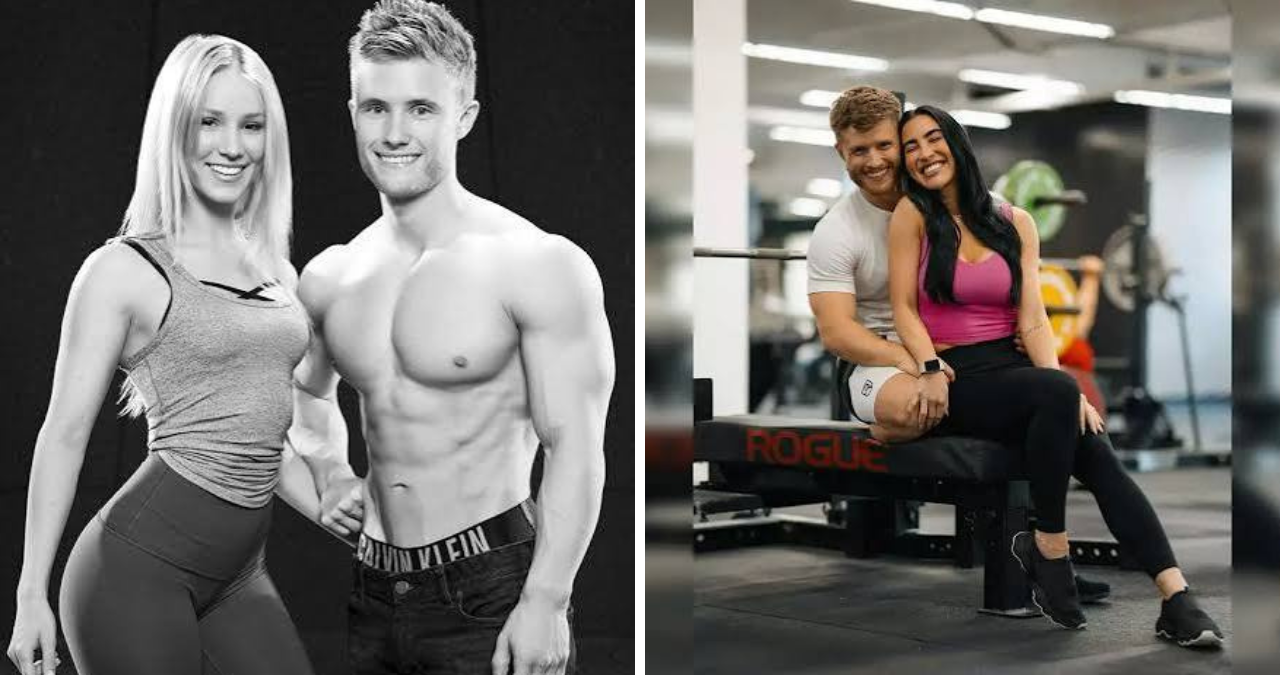
Jeff Nippard Height is commonly listed as 5 feet 5 inches tall, which is approximately 165 centimeters. His compact height, muscular build, and long history of natural bodybuilding and powerlifting have made his physique a major subject of interest among fitness fans.
Searches for “Jeff Nippard height” are common because he appears exceptionally muscular in workout videos, gym photos, and bodybuilding content. Many people want to know how tall he is, how much he weighs, why he looks so dense, whether height affects muscle growth, and how he became one of the most respected science-based fitness creators online.
Jeff Nippard’s height is only one detail of his success. His physique has been built through years of disciplined training, nutrition, competitive experience, study, consistency, and a strong understanding of exercise science.
He is known not only for bodybuilding but also for powerlifting, coaching, research-based training programs, YouTube education, and practical fitness advice.
How Tall Is Jeff Nippard?
Jeff Nippard is generally listed as 5 feet 5 inches tall.
In different measurement systems, this is approximately:
| Measurement | Jeff Nippard’s height |
|---|---|
| Feet and inches | 5 feet 5 inches |
| Inches | 65 inches |
| Centimeters | About 165 cm |
| Meters | About 1.65 m |
Some online discussions suggest that his exact barefoot height may be slightly below 5 feet 5 inches, around 164.5 centimeters. However, 5 feet 5 inches remains the standard and most commonly used public figure.
Height can look different in videos and photographs. Shoes, camera angles, posture, body proportions, and the people standing nearby can all affect how tall someone appears.
Jeff’s muscular physique can also create an impression of greater size. A person with broad shoulders, developed arms, a thick chest, strong legs, and a muscular back can appear physically larger than their height might suggest.
Why Jeff Nippard’s Height Gets So Much Attention
Jeff Nippard’s height attracts attention because he has built a powerful physique on a relatively compact frame.
At 5 feet 5 inches, he is shorter than many male fitness influencers, athletes, and bodybuilders. However, this has not stopped him from becoming extremely strong, muscular, and successful.
In fact, a shorter frame can make muscular development appear more dramatic. Muscle is spread over a smaller skeletal structure, which can create a dense and full appearance.
For example, 10 pounds of added muscle may look more noticeable on a shorter person than on someone much taller. This does not mean shorter people build muscle more easily. It simply means the visual effect of muscle gain may appear different.
Jeff Nippard’s physique reflects years of bodybuilding-focused training. His shoulders, chest, arms, back, legs, and core have all been developed through consistent resistance training.
His height contributes to his visual appearance, but it is not the reason for his success. The real reason is the amount of work he has put into training over many years.
Jeff Nippard’s Weight
Jeff Nippard’s bodyweight changes depending on whether he is cutting, maintaining, or bulking.
When lean, he has been associated with a bodyweight around 160 pounds. During a bulk, he may increase closer to 180 pounds.
For someone who stands around 5 feet 5 inches, this is a substantial amount of bodyweight, especially when much of it is muscle mass.
Bodyweight alone does not tell the full story. Two people can weigh the same amount but look very different because of differences in height, muscle mass, body fat, bone structure, hydration, and genetics.
A muscular person at 160 pounds can look completely different from a sedentary person at the same weight.
Jeff’s compact frame, low body-fat levels during certain phases, and high muscle mass all contribute to the dense look that audiences notice.
Why Jeff Nippard Looks So Muscular
Jeff Nippard’s muscular appearance is the result of several important factors.
The first factor is training experience. He has trained for many years and has dedicated much of his life to bodybuilding and powerlifting. Muscle growth takes time, and long-term consistency is one of the biggest reasons for his development.
The second factor is his compact frame. At 5 feet 5 inches, muscle is distributed over a smaller body structure. This can make his arms, shoulders, chest, and legs look thicker and more developed.
The third factor is his focus on hypertrophy. Hypertrophy is the process of increasing muscle size through resistance training. Jeff does not train only for strength; he trains specifically to build muscle and improve proportions.
The fourth factor is nutrition. Building muscle requires enough food, protein, carbohydrates, fats, vitamins, minerals, and hydration. Jeff often discusses the importance of calorie intake and protein for muscle growth.
The fifth factor is body-fat management. When body fat is lower, muscles become more visible. A lean physique can show more separation between muscles, making someone look more defined.
The sixth factor is genetics. Genetics influence muscle shape, bone structure, shoulder width, waist size, limb length, recovery ability, and how a person responds to training. Genetics do not replace hard work, but they can affect how a physique develops.
The seventh factor is posing and lighting. Fitness photos and videos are often filmed under lighting that highlights muscular definition. A muscle pump after training can also make muscles appear fuller.
Does Height Affect Muscle Growth?
Height does not determine whether someone can build muscle.
Short, tall, and average-height people can all become strong and muscular. The basic principles of muscle growth are similar for everyone:
- Train with resistance.
- Use good technique.
- Progress gradually.
- Eat enough protein.
- Recover well.
- Sleep enough.
- Stay consistent.
Height mainly affects how muscle appears visually.
A shorter person may look more muscular at a lower bodyweight because the muscle is spread across a smaller frame. A taller person may need more total muscle mass to create the same dense appearance.
For example, a 5-foot-5 lifter and a 6-foot-2 lifter may both gain 10 pounds of muscle. The shorter lifter may look noticeably bigger because the weight is spread over a shorter body. The taller lifter may look leaner or more athletic because the muscle is distributed across longer limbs and torso.
Neither body type is better. They simply create different visual effects.
Jeff Nippard’s success is a strong example for shorter lifters. He shows that height does not prevent someone from becoming strong, respected, knowledgeable, or impressive in the gym.
Who Is Jeff Nippard?
Jeff Nippard is a Canadian natural bodybuilder, powerlifter, fitness coach, author, and YouTube creator.
He is known for creating science-based fitness content. His videos often explain bodybuilding, strength training, nutrition, fat loss, exercise technique, muscle growth, workout programming, and common fitness myths.
Jeff has a Bachelor of Science degree in biochemistry. This academic background is a major reason why his content stands out.
Many fitness creators focus mainly on motivation or personal experience. Jeff often combines his own lifting experience with research studies, anatomy, physiology, and training principles.
He tries to explain why certain exercises, routines, and nutrition strategies may work. Instead of only saying “do this exercise,” he often discusses the muscles involved, the range of motion, the training volume, and the research behind the recommendation.
His approach has helped him become one of the most trusted voices in evidence-based bodybuilding.
Jeff Nippard’s Early Fitness Journey
Jeff Nippard began training when he was young. Like many people who enter the gym, he likely started with the goal of becoming stronger, more muscular, and more confident.
Over time, his interest in fitness became much more serious. He moved beyond casual training and developed into a competitive natural bodybuilder and powerlifter.
His career shows what can happen when someone combines passion with education. He did not only train hard; he also studied how training works.
Jeff became interested in the science behind exercise. He learned about progressive overload, hypertrophy, strength development, nutrition, recovery, biomechanics, protein intake, and workout programming.
This combination of practical experience and scientific curiosity helped shape his career.
Natural Bodybuilding Career
Jeff Nippard is known as a natural bodybuilder.
Natural bodybuilding refers to bodybuilding that follows drug-tested competition rules. Athletes compete without using performance-enhancing drugs that are banned under the organization’s policies.
Jeff has competed in natural bodybuilding and achieved major success. He became Mr. Junior Canada in natural bodybuilding in 2012.
Competitive bodybuilding requires more than simply lifting weights. Athletes must build muscle, reduce body fat, improve symmetry, practice posing, manage food intake, and prepare for the stage.
A bodybuilder is judged on muscularity, balance, proportions, conditioning, presentation, and posing.
Jeff’s experience in natural bodybuilding gives him a practical understanding of bulking, cutting, diet fatigue, muscle retention, contest preparation, and long-term physique development.
His physique has been built over many years. This is an important reminder for beginners. A muscular body is not created in a few weeks or through one workout program. It takes patience and repeated effort.
Powerlifting Career
Jeff Nippard is also a competitive powerlifter.
Powerlifting is a strength sport based on three major lifts:
- Squat
- Bench press
- Deadlift
Unlike bodybuilding, which focuses heavily on muscle appearance and symmetry, powerlifting focuses on how much weight an athlete can lift in these movements.
Jeff has achieved impressive strength numbers. His reported best lifts include a squat over 500 pounds, a bench press over 330 pounds, and a deadlift over 500 pounds.
These lifts are remarkable for someone around 5 feet 5 inches tall and within his reported bodyweight range.
Powerlifting gave Jeff another perspective on training. Bodybuilding teaches how to maximize muscle growth. Powerlifting teaches how to improve strength, technique, confidence, movement skill, and performance under heavy weights.
Jeff’s content often combines both worlds. He explains how people can build muscle while also becoming stronger.
Jeff Nippard’s Training Style
Jeff Nippard Height is known for science-based training.
Science-based training does not mean that every workout must be complicated. It means using research, practical experience, and logical reasoning to make better fitness decisions.
Jeff often focuses on key principles such as progressive overload, exercise selection, training volume, effort, recovery, and nutrition.
Progressive overload means gradually making workouts more challenging over time. This can involve adding weight, doing more repetitions, adding another set, improving technique, or controlling the movement better.
Training volume refers to the amount of work performed for a muscle group. For example, a person may do several sets of pressing exercises for the chest during the week. Too little volume may not create enough stimulus for growth, while too much volume may make recovery difficult.
Exercise selection is also important. A good exercise should feel comfortable, train the intended muscle group, allow safe progression, and fit the person’s body structure.
Jeff often explains that there is no one perfect exercise for every person. A movement that works well for one lifter may not feel good for another. The best routine is usually the one that fits the individual and can be followed consistently.
Hypertrophy Training
Hypertrophy means muscle growth.
Jeff Nippard’s programs often focus on hypertrophy because many gym-goers want to build muscle, improve body composition, and develop a stronger physique.
Muscle growth generally requires resistance training, adequate protein, enough recovery, and time.
A hypertrophy routine may include exercises for each major muscle group:
- Chest
- Back
- Shoulders
- Arms
- Legs
- Glutes
- Core
- Calves
Jeff often discusses the importance of training muscles through a useful range of motion. He also emphasizes controlled technique and using enough effort to challenge the muscle.
This does not mean every set must be taken to complete failure. A person can build muscle by training hard while still keeping good form and managing fatigue.
For beginners, a simple routine is usually enough. They do not need dozens of exercises or hours in the gym every day.
A full-body workout two or three times per week can be effective. As experience increases, a person may choose an upper-lower split, push-pull-legs routine, or body-part-focused program.
Jeff Nippard’s Workout Programs
Jeff Nippard Height has created programs for different goals, including muscle growth, fat loss, powerbuilding, full-body training, and body recomposition.
Powerbuilding is a training style that combines powerlifting and bodybuilding. It includes heavy compound lifts for strength along with bodybuilding exercises for muscle development.
For example, a powerbuilding workout might include a heavy bench press followed by incline dumbbell presses, cable flyes, triceps pushdowns, and lateral raises.
This type of program can appeal to people who want to get stronger while also improving their physique.
Jeff’s programs are often popular because they provide structure. Many gym-goers feel confused by the amount of fitness advice online. A well-designed plan can help someone know what to do each day, how many sets to perform, which exercises to use, and how to progress.
However, a program should always be adapted to the person. Beginners may need less volume than advanced lifters. Someone with shoulder pain may need different pressing movements. Someone with limited equipment may need home or gym alternatives.
Nutrition and Protein
Nutrition is a major part of Jeff Nippard’s fitness philosophy.
Training provides the stimulus for muscle growth, but food helps the body recover and adapt. A person who wants to build muscle generally needs enough protein and enough total calories.
Protein is important because it contains amino acids that help support muscle repair and growth. Good protein sources can include chicken, fish, eggs, Greek yogurt, milk, lean meat, tofu, beans, lentils, tempeh, and protein powder.
Carbohydrates are also important because they provide energy for hard training. Foods such as rice, oats, potatoes, bread, pasta, fruit, vegetables, and grains can support performance.
Healthy fats are useful for overall health and can come from foods such as nuts, seeds, olive oil, avocado, eggs, dairy, and fatty fish.
Jeff often explains that nutrition does not need to be extreme. A person does not need to eat perfectly every day or eliminate all favorite foods.
The most important nutrition habits are usually consistency, adequate protein, calorie awareness, balanced meals, hydration, and patience.
Bulking and Cutting
Jeff Nippard Height often discusses bulking and cutting.
A bulk is a phase focused on gaining bodyweight and muscle. During a bulk, a person usually eats slightly more calories than they burn.
A cut is a phase focused on reducing body fat. During a cut, a person usually eats fewer calories than they burn while continuing resistance training.
Bulking and cutting can be useful for experienced lifters, but they should be done carefully.
A bulk does not mean eating unlimited amounts of food. An overly aggressive calorie surplus can lead to unnecessary fat gain.
A cut does not mean extreme dieting. Severe restriction can hurt training performance, recovery, mood, and long-term consistency.
For many people, a slow and controlled approach works best. Someone may choose a small calorie surplus for muscle gain or a moderate calorie deficit for fat loss.
Jeff’s content often encourages people to focus on realistic progress rather than extreme changes.
Jeff Nippard’s YouTube Channel
Jeff Nippard Height has become one of the leading fitness educators on YouTube.
His channel includes videos about workouts, hypertrophy, strength training, fat loss, protein, exercise technique, fitness myths, beginner programs, advanced programming, and interviews with experts.
He often uses visual demonstrations, charts, research summaries, gym footage, and clear explanations.
His videos may cover questions such as:
- What are the best exercises for chest growth?
- How many sets should someone do for muscle growth?
- What is the best rep range?
- How much protein does a person need?
- Should beginners train to failure?
- Is full-body training effective?
- How can someone build bigger arms?
- How can someone lose fat without losing muscle?
- What are the biggest workout mistakes?
Jeff’s content is popular because it is educational but still practical. He does not only explain research; he also shows how to apply ideas in the gym.
Why Jeff Nippard Is Influential
Jeff Nippard Height is influential because he has helped make evidence-based fitness more accessible.
In the past, many gym-goers relied on random advice, magazine routines, myths, and training ideas passed from person to person. Today, people can learn about exercise science through online creators like Jeff.
His work encourages people to ask better questions. Instead of blindly copying a workout, they can ask why they are doing an exercise, how it fits their goals, and whether it is helping them progress.
He also encourages people to avoid extreme claims. Fitness does not need to be based on miracle supplements, secret routines, or fast transformations.
The basics remain powerful:
- Train consistently.
- Use good technique.
- Progress gradually.
- Eat enough protein.
- Recover well.
- Sleep enough.
- Be patient.
These habits may seem simple, but they create long-term results.
Height and Strength
Jeff Nippard’s strength is another reason people are interested in his height.
Some people assume that taller athletes are always stronger. This is not true. Strength depends on training experience, muscle mass, technique, leverage, bodyweight, genetics, and sport-specific skill.
Height can affect leverage. For example, shorter arms may reduce the distance a barbell travels during a bench press. However, shorter arms may also create challenges in deadlifting because the lifter must reach farther to the bar.
Similarly, leg length, torso length, hip structure, ankle mobility, and stance can all affect squat mechanics.
There is no perfect height for all lifts. Different body types may have advantages in different movements.
Jeff’s strength achievements came from years of focused training and technical skill. His height is only one part of his lifting profile.
Height and Bodybuilding Aesthetics
Height can influence bodybuilding aesthetics, but it does not determine success.
Shorter bodybuilders often look dense, thick, and muscular because muscle is packed onto a compact frame. Taller bodybuilders may look broad, athletic, and visually dramatic because of their longer limbs and larger structure.
Jeff Nippard’s physique is a good example of compact muscularity. His broad shoulders, developed chest, thick arms, and strong legs create a powerful look.
But people should not compare themselves negatively to him or any other fitness creator. Every person has different genetics, body proportions, goals, and starting points.
The best approach is to focus on improving your own body. Someone may not be able to change their height, but they can improve their strength, muscle, fitness, confidence, posture, mobility, and health.
Advice for Shorter Lifters
Shorter lifters can learn several useful lessons from Jeff Nippard’s success.
First, do not treat height as a limitation. You can become strong, muscular, athletic, and confident at any height.
Second, focus on your own structure. Find exercises that feel good for your joints and body proportions. A shorter lifter may prefer certain squat stances, bench grips, or machine settings, while another person may prefer something different.
Third, build muscle patiently. A compact frame can look impressive with consistent training, but the muscle still has to be built through years of effort.
Fourth, avoid comparing your numbers to taller or heavier athletes. Strength is relative. Focus on your own progress.
Fifth, use good technique. Proper form helps make training safer and more effective.
Sixth, wear clothes that fit your body and make you feel confident. Fitness is not only about numbers; it is also about feeling comfortable in your own body.
FAQs
1. How tall is Jeff Nippard?
Jeff Nippard is commonly listed as 5 feet 5 inches tall, which is approximately 165 centimeters.
2. How much does Jeff Nippard weigh?
Jeff Nippard’s bodyweight changes by training phase. He has been associated with roughly 160 pounds when lean and close to 180 pounds during a bulk.
3. Is Jeff Nippard a natural bodybuilder?
Yes. Jeff Nippard is known as a natural bodybuilder and has competed in drug-tested bodybuilding organizations. He has built his career around natural training, evidence-based fitness, and long-term muscle development.
4. What is Jeff Nippard known for?
Jeff Nippard is known for science-based fitness content on YouTube. He covers bodybuilding, hypertrophy, strength training, nutrition, fat loss, workout programming, exercise technique, and fitness research.
5. Does height affect muscle growth?
Height does not determine whether someone can build muscle. Shorter people may appear more muscular at lower bodyweights because muscle is spread over a smaller frame, while taller people may need more total muscle mass to create the same dense appearance.
Conclusion
Jeff Nippard Height is commonly listed as 5 feet 5 inches tall, or about 165 centimeters. His height is part of the reason his muscular physique appears compact, dense, and powerful, but it is not the main reason for his success.
Jeff has built his body through years of natural bodybuilding, powerlifting, science-based training, nutrition, recovery, and consistency. He has also become one of the most influential fitness educators on YouTube by helping people understand the principles behind muscle growth and strength training.
His career is a reminder that height does not define fitness potential. Whether someone is short, tall, or average height, they can make meaningful progress by training consistently, eating well, recovering properly, and staying patient.