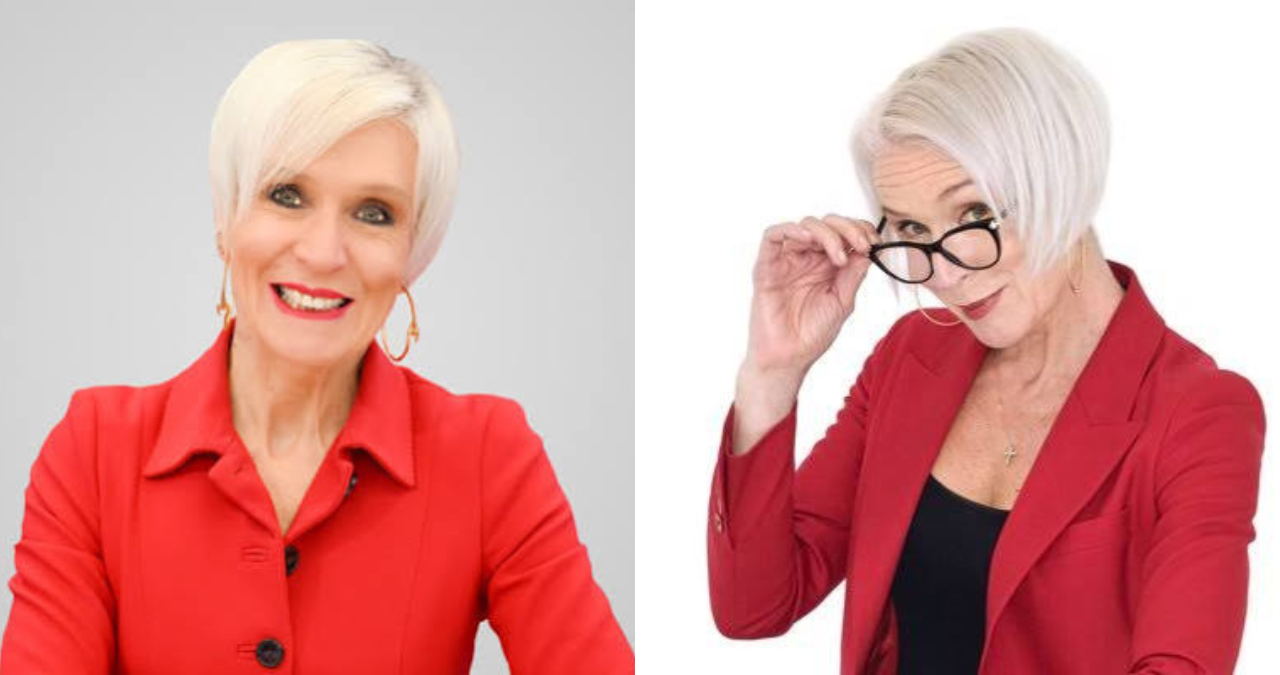
Dawn Neesom is a British journalist, broadcaster, columnist, and former newspaper editor. Searches for “Dawn Neesom illness” appear online, but there is no confirmed public information showing that she has announced a serious personal illness or major medical diagnosis.
This is an important distinction because online search trends, social-media posts, headlines, and television clips can create confusion. A public figure may be connected to a health-related conversation without personally experiencing the condition being discussed. In Dawn Neesom’s case, many health-related references involve public debates, colleagues’ health updates, lifestyle topics, or unrelated stories rather than a confirmed illness of her own.
Who Is Dawn Neesom?
Dawn Neesom is an English journalist who became widely known for her work in British newspapers. She built a major career in tabloid journalism and spent many years as editor of the Daily Star.
Her career has included writing, editing, media commentary, television appearances, radio discussions, and news analysis. She has become a recognizable voice in British media because of her direct style, strong opinions, and willingness to speak openly on controversial public issues.
Neesom has appeared across broadcast platforms discussing politics, social issues, women’s rights, crime, culture, current affairs, and the media. Her public role means that viewers often see her in live studio conversations, panel debates, interviews, and short video clips.
Because she is a familiar media personality, her name can appear frequently in search engines. This can lead to speculation whenever she discusses health-related topics, appears emotional on air, takes time away from television, or is mentioned in an article about another presenter.
Is Dawn Neesom Ill?
There is no reliable public evidence that Dawn Neesom has disclosed a serious illness. No confirmed medical diagnosis, hospitalization, long-term condition, or treatment announcement has been widely established through credible public reporting.
People may search for “Dawn Neesom illness” because they have seen her name near a health-related headline or social-media post. However, the appearance of her name beside words such as “illness,” “health,” “hospital,” “cancer,” “menopause,” “mental health,” or “health update” does not mean those terms apply to her personally.
Online searches can be misleading. Search engines often group a person’s name with topics they discussed on television, stories they commented on, colleagues they mentioned, or news articles in which they appeared briefly.
For that reason, it is not responsible to say that Dawn Neesom is ill without a direct public statement from her or a verified report from a credible source.
Why the Illness Rumor May Exist
There are several reasons why a phrase like “Dawn Neesom illness” can appear in online searches even when there is no confirmed health news about the person.
One reason is public discussion. Journalists and presenters regularly speak about health issues, including menopause, mental health, workplace rights, diet, social-media harms, cancer awareness, and medical policy. Being part of a conversation does not mean the presenter has the illness or condition being discussed.
Another reason is confusion about a colleague’s health. A broadcaster may speak about a co-host or fellow presenter who is unwell. Search engines may connect the name of the speaker with the topic of illness, even though the health update concerns someone else entirely.
A third reason is emotional television coverage. When a presenter appears upset, serious, tired, or reflective on air, viewers may assume something personal has happened. Live broadcasting can be emotionally demanding, and a person’s expression or tone cannot be used to diagnose an illness.
A fourth reason is clickbait content. Some websites use popular names beside dramatic health-related keywords to gain traffic. They may use questions such as “What happened to Dawn Neesom?” or “Dawn Neesom health update” without presenting credible evidence of any illness.
Finally, autocomplete suggestions can make a rumor seem more credible than it is. If enough users type a phrase into a search engine, the phrase may be suggested to others. That reflects search behavior, not verified facts.
Health Discussions Are Not Health Disclosures
Dawn Neesom has taken part in discussions that involve public-health and women’s-health issues. This may include television conversations about menopause, workplace policies, personal freedom, or the way society responds to women’s health concerns.
It is important to understand that participating in a discussion does not equal making a personal medical disclosure. A broadcaster may comment on an issue because it is in the news, because it affects public policy, or because it is being debated by guests and viewers.
For example, a presenter may discuss whether employers should offer more support to people experiencing menopause symptoms. That discussion can be important and relevant without meaning that the presenter has publicly shared her own medical history.
The same applies to topics such as hair loss, food and nutrition, mental health, cancer awareness, medical treatment, or social-media-related wellbeing. Television personalities often discuss these issues as part of their job.
A public discussion about a condition should never be treated as proof that the person has that condition.
Confusion With Colleagues’ Health Updates
One of the most common causes of misunderstanding is a news story about someone else’s health. If Dawn Neesom speaks about a colleague’s illness, recovery, hospital treatment, or absence from television, her name may be included in the headline or article.
Someone reading only the first few words of a headline might wrongly assume that the health story is about her.
This type of confusion is common in entertainment and television reporting. A presenter may deliver an update on behalf of a program, share a message of support, or react emotionally to news about a colleague. The article may use the presenter’s name because she is a recognizable television personality, even though the health matter concerns another person.
The correct question to ask is always: whose health is the report actually discussing?
If a headline says that Dawn Neesom “shared a health update,” it may mean she spoke about another person’s medical situation. It does not necessarily mean she gave an update about her own health.
Family Loss and Cancer References
Another possible source of confusion is the use of personal memories or tributes in public posts. Dawn Neesom has spoken publicly about losing her father to cancer. A personal reflection about bereavement can lead search engines to associate a person’s name with cancer-related terms.
However, a post about losing a parent to cancer is not an announcement that the writer has cancer. It is a statement about family loss and remembrance.
This distinction matters because search results often reduce complex content into short snippets. A search engine may show only a few words, such as a person’s name, “cancer,” and a date. Without reading the full context, readers may misunderstand the meaning.
Health-related terms can be emotionally powerful, but they should not be used carelessly. A family history, a tribute, or a message of grief should never be transformed into a rumor about someone else’s personal diagnosis.
Television Appearances and Public Speculation
Television presenters are regularly watched by large audiences. Viewers may notice if a broadcaster looks different, sounds hoarse, wears a new hairstyle, appears tired, becomes emotional, or does not appear on a usual program.
These observations may lead to online questions. But none of them can reliably indicate illness.
A person’s appearance can change because of lighting, camera angles, makeup, wardrobe choices, travel, sleep, seasonal allergies, a temporary cold, work demands, family responsibilities, or simple changes in style. A broadcaster may also be absent because of holidays, scheduling, work assignments, production changes, or personal leave.
It is not appropriate to diagnose someone from photographs, video clips, facial expressions, voice changes, body size, or an absence from a show.
The same principle applies to all public figures. People deserve the right to have ordinary changes in their lives without becoming the target of health speculation.
How Health Rumors Spread Online
Health rumors can spread quickly because they generate concern and emotional reactions. When people are worried about a familiar television personality, they may share posts before checking whether the information is accurate.
A vague social-media message can be reposted hundreds of times. A misleading headline can be copied by multiple websites. A short video clip can be viewed without the original context. Then search engines can treat the repeated phrase as something that users are interested in, making the rumor more visible.
This creates a cycle:
- A person sees a vague health-related headline.
- They search for more information.
- Search engines register the phrase as popular.
- More users see the suggestion.
- Content sites create articles around the search phrase.
- The rumor becomes more visible despite limited evidence.
This is why readers should be careful with health news. Repetition does not make a claim true. A rumor can appear on many pages because those pages copied each other, not because anyone verified the original information.
How to Check a Health Claim
When readers see claims about Dawn Neesom’s health, they should look for reliable evidence before accepting or sharing them.
First, check whether Dawn Neesom herself has made a direct statement. A public interview, verified social-media post, official statement, or message through a representative is stronger evidence than a rumor site.
Second, read the full article. Do not rely only on a headline, a search snippet, or a video title. The article may be about a colleague, a debate topic, a personal tribute, or a general health issue.
Third, check the publication. Reputable news organizations generally identify their sources and distinguish fact from speculation. Unverified blogs, anonymous accounts, repost pages, and celebrity-rumor sites should be treated cautiously.
Fourth, check the date. Older stories are often recirculated online and presented as if they are new. A report from months or years ago may not reflect the current situation.
Fifth, avoid interpreting appearance as evidence. No one can identify a medical condition by looking at a photo, watching a short television clip, or noticing a missed appearance.
Sixth, do not share unverified information. If a claim is unclear, it is better to avoid repeating it. Sharing rumors can cause unnecessary distress for the person involved and their family.
Dawn Neesom’s Professional Life
Dawn Neesom is primarily known for her career in media rather than for personal health disclosures. Her public work includes journalism, editorial leadership, television commentary, radio appearances, and discussions of current affairs.
Her experience as a newspaper editor gave her a prominent place in British media. Editors are responsible for shaping editorial direction, making decisions about coverage, managing teams, and responding to rapidly changing news cycles. This is a high-pressure role that requires strong judgment and communication skills.
As a broadcaster and commentator, Neesom has become known for clear opinions and debate-driven television appearances. Public figures in this type of role often attract both supporters and critics, especially when they comment on sensitive political or cultural issues.
Public controversy, criticism, social-media abuse, and intense debate should not be confused with illness. A person can face a difficult public environment while continuing their professional work.
Privacy and Public Figures
Dawn Neesom’s personal health is private unless she chooses to share it publicly. Being a journalist, broadcaster, or public commentator does not mean someone must reveal medical information to viewers or readers.
There is a difference between reporting on someone’s publicly disclosed health condition and creating speculation about a private matter. Responsible reporting relies on facts, clear attribution, and respect.
If Dawn Neesom ever shares a health update herself, it should be reported accurately, using her own words and avoiding exaggeration. Until then, claims about her illness should not be presented as fact.
Privacy is especially important in health matters because medical information can affect a person’s family, career, emotional wellbeing, and public reputation. Incorrect claims can spread quickly and be difficult to undo.
A respectful audience can support public figures without demanding explanations for every absence, emotional moment, or change in appearance.
FAQs
1. Does Dawn Neesom have an illness?
There is no confirmed public information that Dawn Neesom has disclosed a serious illness or major medical diagnosis.
2. Why do people search for “Dawn Neesom illness”?
The search term may be caused by confusion around health-related television discussions, reports involving colleagues, general media topics, family-loss references, or unverified online speculation.
3. Has Dawn Neesom shared a health update?
There is no widely confirmed personal health update from Dawn Neesom about a serious condition. Health-related headlines linked to her may concern another person or a topic discussed on television.
4. Did Dawn Neesom speak about cancer?
Dawn Neesom has publicly reflected on losing her father to cancer. This relates to family bereavement and should not be interpreted as a statement that she has cancer herself.
5. What is Dawn Neesom known for?
Dawn Neesom is known as a British journalist, former Daily Star editor, columnist, broadcaster, and television commentator.
Conclusion
There is no confirmed public information that Dawn Neesom has a serious illness. Searches linking her name to illness or health updates may be caused by unrelated television discussions, reports about colleagues, family-loss references, general health topics, or online speculation.
Dawn Neesom remains best known for her journalism, newspaper career, broadcasting work, and public commentary. The responsible approach is to avoid spreading rumors and to rely only on direct, credible information if any personal health news is ever publicly disclosed.